A Complete Guide by Aloito Safaris
Introduction
Climbing Africa’s highest peak, Mount Kilimanjaro, is a dream for adventurers around the world. Standing at 5,895 meters above sea level, Kilimanjaro offers a unique trekking experience through diverse ecosystems, from lush rainforest to alpine desert and icy summit.
As travelers begin planning their climb for 2026 or 2027, one common question arises: Is it possible to climb Kilimanjaro without a guide? While independent trekking is allowed in some mountains across the globe, Kilimanjaro follows a very different approach—one that prioritizes safety, conservation, and local livelihoods.
The Legal Requirement: Why Guides Are Mandatory
Unlike many other trekking destinations, it is not permitted to climb Mount Kilimanjaro without a licensed guide. Regulations set by the Tanzania National Parks Authority require all climbers to be accompanied by a registered guide and support crew.
This rule applies to every route on the mountain, whether you choose the Machame, Marangu, Lemosho, or any other path. Solo trekking or unsupported climbs are not allowed under any circumstances. Climbers must book their expedition through a licensed tour operator who arranges permits, guides, porters, and logistics.

Why Independent Climbing Is Not Allowed
The restriction on independent climbing is not just about regulation—it is rooted in practical and ethical reasons. Kilimanjaro presents serious challenges, particularly due to its high altitude. Conditions can change rapidly, and altitude sickness is a real risk even for experienced hikers.
Professional guides are trained to monitor climbers’ health, recognize early symptoms of altitude sickness, and make critical decisions about whether to continue or descend. Their presence significantly reduces the risk of severe complications.
Additionally, the system supports local employment. Porters, cooks, and guides play a vital role in every expedition, and the structure ensures that tourism directly benefits local communities.
Understanding the Role of Guides and Support Crew
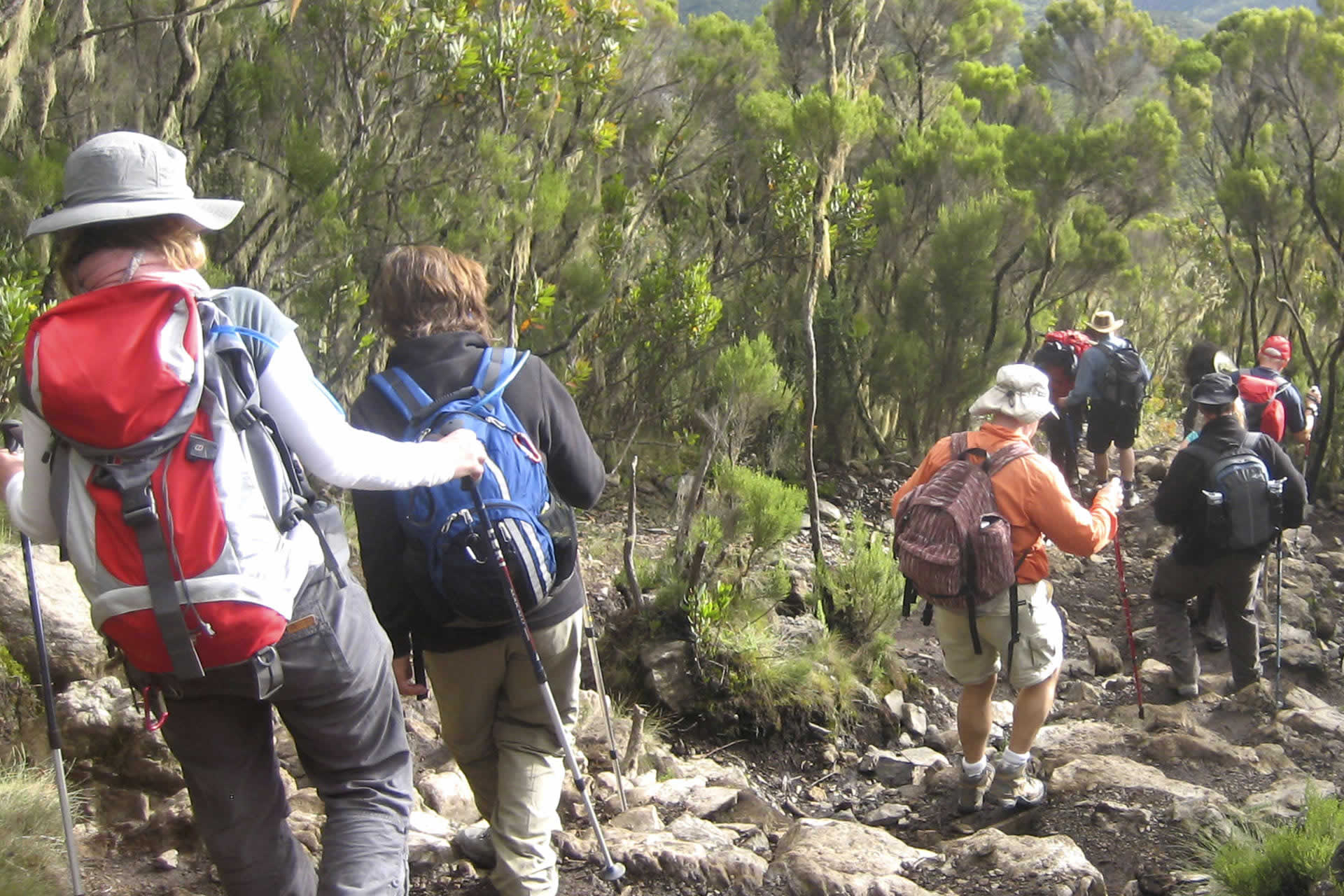
Climbing Kilimanjaro is not just a hike—it is a fully supported expedition. A typical climb includes a team of guides, assistant guides, porters, and a cook. Each member contributes to making the journey safe and comfortable.
Guides lead the way, set the pace, and provide valuable insight into the mountain’s environment. Porters carry equipment, tents, and supplies, allowing climbers to focus on the trek itself. Cooks prepare nutritious meals that are essential for maintaining energy at high altitude.
This team approach is one of the defining features of Kilimanjaro expeditions and greatly enhances both safety and overall experience.

Safety Benefits of Climbing with a Guide
Safety is the most important reason for the mandatory guide system. Altitude sickness can affect anyone, regardless of fitness level, and early detection is crucial. Guides are trained in first aid and high-altitude response, and many carry emergency equipment such as oxygen and communication devices.
They also understand the mountain’s terrain, weather patterns, and optimal acclimatization strategies. By following a carefully planned itinerary and maintaining a steady pace, guides help increase your chances of reaching the summit successfully.
Can Experienced Hikers Climb Without Support?
Even the most experienced hikers cannot bypass the regulations. Regardless of skill level or previous high-altitude experience, all climbers must follow the same rules set by park authorities.
However, experienced trekkers can choose routes and itineraries that match their ability level. Options like the Lemosho or Northern Circuit routes offer longer acclimatization periods and higher success rates, while routes like Marangu provide a different style of experience with hut accommodations.
Choosing the Right Tour Operator
Since climbing without a guide is not an option, choosing the right tour operator becomes essential. A reputable company ensures that all aspects of your climb are handled professionally, from permits and park fees to equipment and crew welfare.
Look for operators who prioritize safety, fair treatment of porters, and personalized service. A well-organized team can make the difference between a challenging climb and a truly rewarding adventure.

The Aloito Safaris Experience
At Aloito Safaris, Kilimanjaro is more than just a mountain—it is part of our heritage. Founded by a Maasai guide raised in the Ngorongoro Conservation Area, our team brings deep local knowledge and years of guiding experience to every expedition.
We provide highly trained guides, well-maintained equipment, and carefully planned itineraries designed to maximize both safety and summit success. Our approach ensures that every climber feels supported, informed, and confident throughout the journey.
Final Verdict: Can You Climb Kilimanjaro Without a Guide?
The answer is simple: No, it is not possible to climb Mount Kilimanjaro without a guide. The requirement is enforced by national park regulations and exists to protect climbers, preserve the environment, and support local communities.
While this may seem restrictive at first, it ultimately enhances the experience. With a professional team by your side, you can focus on the adventure, enjoy the journey, and safely reach the summit of Africa’s highest peak.
Plan Your Kilimanjaro Adventure
Climbing Kilimanjaro is a once-in-a-lifetime experience, and the right guidance makes all the difference. With Aloito Safaris, you are not just climbing a mountain—you are embarking on a journey led by experts who know it intimately.
Let’s go to Africa—Aloito. Your Kilimanjaro adventure starts here.